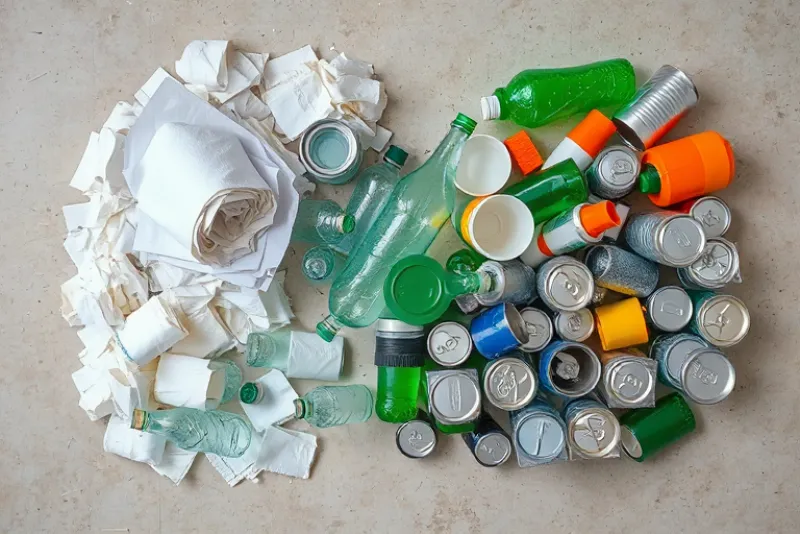
Every item needs a path.
A premium sorting module demonstrates how recyclables, organics, and contaminants can be seen and redirected instead of disappearing into mixed waste. This is where waste becomes operational intelligence.
Waste Intelligence Platform
TCS is pushing waste out of the background and into a visual operating system. Sorting, composting, collection, and civic recovery should be understood like logistics, energy, or finance: in motion, in context, and with real operational intent.
Under Victoria's Container Deposit Scheme, every eligible can, bottle, and carton is worth 10 cents. We place free collection bins at your venue or home, pick them up on our regular rounds, take them to the depot, and split the earnings 50/50. Zero cost. Zero effort. Just keep filling.
From Utility To Priority
These live system views turn waste from a back-of-house burden into a measurable operating layer. The goal is not decorative futurism. The goal is a business and civic language that makes sorting, organics recovery, and street-level stewardship feel as important as they actually are.
Technology In Motion
The scenes below translate the strongest Omma asset ideas into one coherent product story: intelligent sorting, living organics recovery, and civic waste infrastructure that people can understand instantly.
A premium sorting module demonstrates how recyclables, organics, and contaminants can be seen and redirected instead of disappearing into mixed waste. This is where waste becomes operational intelligence.
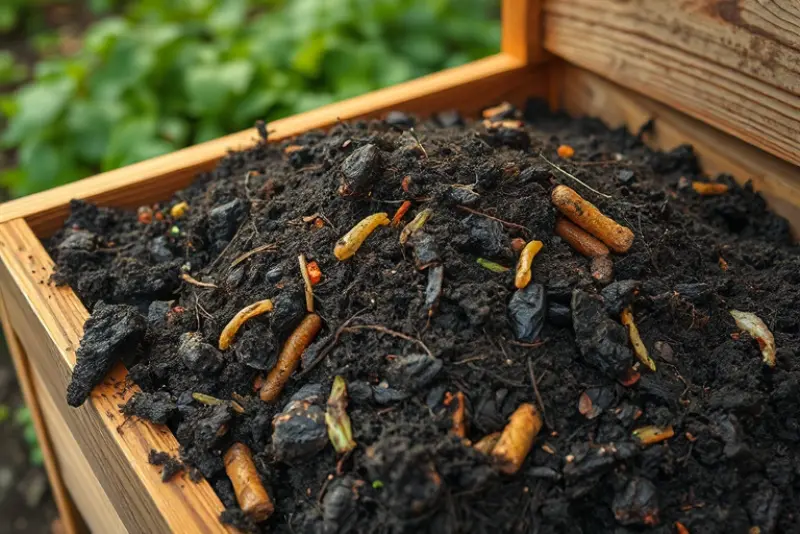
The compost micro-world reframes organics as biological capital. Food scraps are not just leftovers. They are the start of soil, resilience, and local regeneration.
Tower, robot, bin, and street logic come together as a trust signal: waste management should sit in the foreground of urban planning, not at its edge.
Effective waste management is crucial for environmental protection, resource conservation, and public health. By implementing science-based waste management practices, we can significantly reduce landfill usage, minimize pollution, and conserve valuable resources.
Improper waste disposal contributes to soil contamination, water pollution, and greenhouse gas emissions. Sustainable waste management practices can reduce these impacts while supporting biodiversity and ecosystem health.
Beyond environmental advantages, proper waste management can lead to cost savings through resource recovery, reduced disposal fees, and potential revenue from recyclable materials. For businesses, it can also enhance brand reputation and customer loyalty.
The waste management hierarchy provides a framework for prioritizing waste management strategies based on their environmental impact. From most to least preferred:
Research shows that focusing on the top tiers of the hierarchy (prevention, minimization, and reuse) yields the greatest environmental benefits. For every ton of waste prevented, we avoid not only disposal impacts but also the environmental costs of resource extraction, manufacturing, and transportation.
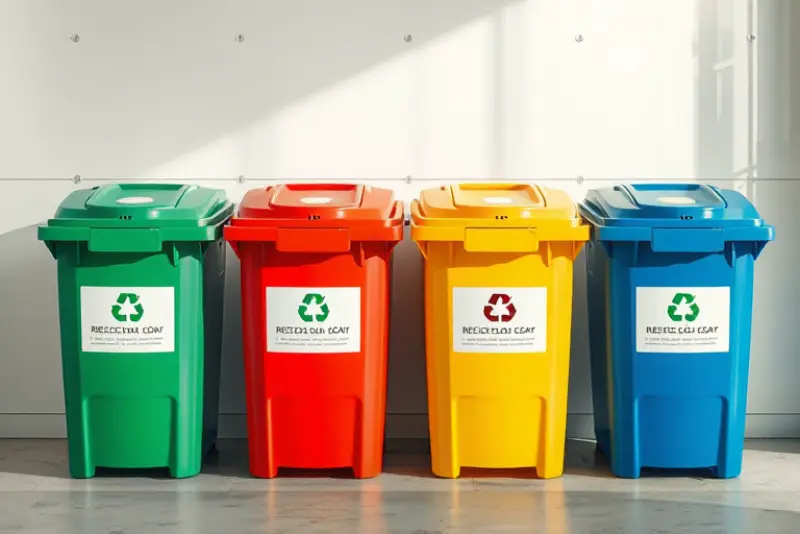
Proper waste segregation is the foundation of effective waste management. It enables efficient recycling, composting, and safe disposal of hazardous materials.
Example of a well-organized waste segregation system
Contamination can render entire batches of recyclables unusable. Ensure items are clean and dry before placing them in recycling bins. When in doubt about an item's recyclability, check with your local recycling provider or place it in general waste to avoid contaminating recyclables.
Composting is a natural process that transforms organic waste into nutrient-rich soil amendment. It diverts waste from landfills while creating a valuable resource for gardens and landscapes.
Composting transforms kitchen scraps into valuable soil amendment
Effective recycling requires understanding what can be recycled in your area and how to prepare materials properly.
Proper sorting is essential for effective recycling
Understanding recycling symbols can help you make better disposal decisions:
Recycling involves collection, sorting, processing, and manufacturing. Contamination at any stage can reduce efficiency or render materials unrecyclable. Studies show that proper education about local recycling guidelines can reduce contamination rates by up to 40%.
Some waste requires special handling due to its potential environmental or health impacts.
Hazardous waste includes materials that are flammable, corrosive, reactive, or toxic. Examples include:
Never dispose of hazardous waste in regular trash or pour it down drains. Instead:
Electronic devices contain valuable materials that can be recovered, as well as hazardous components that require proper handling.
For large items like furniture, appliances, and mattresses:
The most effective waste management strategy is to prevent waste generation in the first place.
Modern waste management goes beyond the traditional "Reduce, Reuse, Recycle" to include:
Whether for a household or business, a structured waste management plan can help you implement and maintain effective practices.
Goal: Reduce total waste by 30% and increase recycling rate to 60% within 6 months
| Waste Stream | Current Method | Improved Method | Action Items |
|---|---|---|---|
| Paper | Mixed with general waste | Separate collection for recycling | Install paper recycling bins in key locations |
| Food Waste | General waste | Composting | Set up compost bin, create collection system |
| Packaging | General waste | Reduce and recycle | Switch to bulk purchasing, recycle applicable materials |
Monitoring: Weekly waste audits to track progress
Education: Monthly training sessions for all participants
This guide is based on scientific principles and best practices in waste management. For specific guidance tailored to your local area, please consult your municipal waste management authority.
Get a free quote — residential or commercial. We handle waste collection, recycling, composting and more.